
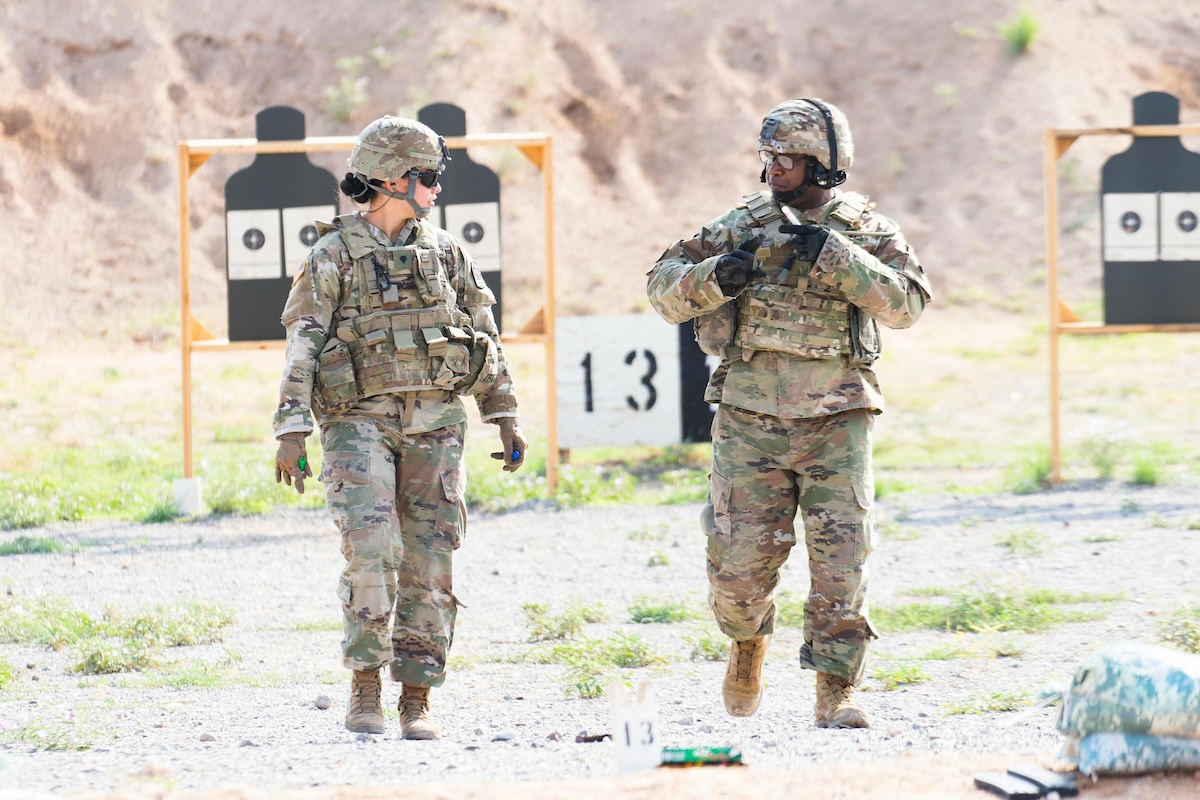
Range Safety Officers (RSOs) face high-stakes responsibilities every day, ensuring the safety of shooters and bystanders at firing ranges. Accidents, legal claims, and financial risks are constant concerns. Liability insurance is a critical safeguard, protecting RSOs from costly lawsuits, medical expenses, and damages that could jeopardize their careers and personal assets.
Key Takeaways:
Liability insurance is not just a precaution - it’s a necessity for RSOs and range operators to manage risks and maintain financial security.
Even with strict safety measures in place, RSOs (Range Safety Officers) aren’t immune to lawsuits. Two of the most frequent causes for claims are accidental discharges and ricochets, which can result in injuries to students, customers, or even bystanders [1][7]. Another common scenario involves professional liability claims, often arising when a student alleges they weren’t adequately trained or supervised before an incident occurred [6].
But the risks don’t stop at the firing line. Everyday accidents, like slip-and-fall incidents in lobbies or parking lots, can lead to personal injury lawsuits [1][6]. Real-world examples highlight how premises-related issues can spiral into costly litigation, leaving RSOs exposed to personal liability.
Despite adhering to rigorous protocols, RSOs can still find themselves personally named in lawsuits. This risk applies to both employees and independent contractors. Professional liability insurance plays a crucial role here, offering protection against claims that inadequate training or supervision caused an incident [6].
Legal troubles aren’t confined to the range itself. As the Chenoweth Law Group points out:
"Once a range or club finds itself in the cross hairs of neighbors, cities, counties, or state and federal agencies, the legal costs can be devastating." – Chenoweth Law Group [5]
RSOs working at these facilities may become entangled in legal battles over zoning disputes, environmental regulations, or nuisance claims. In such cases, individuals can be named as defendants alongside the business itself. Comprehensive insurance coverage isn’t just helpful - it’s essential for shielding against these diverse legal risks. Without it, RSOs face the possibility of overwhelming personal financial burdens.
The financial consequences of personal liability can be staggering. Without insurance, RSOs are on the hook for every penny of their legal defense costs - even if the lawsuit is ultimately thrown out [3][9]. Attorney fees and court expenses alone can climb into the tens of thousands of dollars. On top of that, uninsured RSOs must cover settlements, court-ordered judgments, and the medical expenses of injured parties [3][4].
As Joseph Chiarello & Co., Inc. warns:
"Without the right insurance coverage, you could be left balancing the bill for medical expenses, legal fees, and damages – and that's a risk no business owner should take." – Joseph Chiarello & Co., Inc. [6]

For Range Safety Officers (RSOs), having two types of liability coverage is essential. General liability protects against everyday incidents, like a visitor tripping over equipment or accidental damage to range property. On the other hand, professional liability covers claims tied to negligent training or instruction - even if those claims surface long after the training ends [3]. As Lockton Affinity, LLC explains:
"Professional liability... focuses on specific areas related to your professional expertise and activities." – Lockton Affinity, LLC [3]
The main difference? General liability handles accidents that happen during instruction, while professional liability addresses issues with the quality of the instruction itself. Both types of coverage also include legal defense fees, court costs, and settlements, offering a well-rounded safety net for RSOs. Together, they form the foundation of comprehensive protection, as highlighted in the key policy features.
Comprehensive RSO insurance policies typically bundle general and professional liability coverage, offering limits like $1,000,000 per occurrence and $2,000,000 aggregate for around $300 annually [3]. These policies often include:
These features are designed not only to safeguard RSOs but also to provide indirect protection for range operators, as explained below.
When RSOs carry proper liability insurance, range operators gain significant protection as well. Many policies allow range owners to be listed as additional insureds - often at no extra cost - shielding the range itself from legal claims related to the RSO's activities [3]. This ensures that the RSO's insurance takes primary responsibility for covering defense costs and settlements.
To maximize protection, range operators should require RSOs to present a Certificate of Insurance (COI) before any training or safety oversight begins. Confirming that the policy includes both general and professional liability coverage, along with additional insured status, helps ensure everyone involved is fully protected. This practice has become a standard requirement at most shooting facilities.
A reliable RSO liability insurance policy should include a few essential components that work together to provide comprehensive protection. At a minimum, the policy should cover general liability, professional liability, and medical payments.
For those working in high-volume facilities or states with a reputation for large jury awards, higher coverage limits might be wise. Industry experts often recommend limits of $2,000,000 to $5,000,000 per occurrence for commercial ranges, given the potential severity of firearm-related incidents.
It’s also crucial to ensure your policy covers where and when you operate. This means it should include all shooting and training activities at your primary range, as well as broad geographic coverage across the United States. If you work part-time, seasonally, or as a contractor, verify that you’re either insured under your own policy or included in the range’s master policy. For those who juggle multiple roles - like a law enforcement RSO teaching private weekend classes - make sure both roles are covered without exclusions for activities outside your primary employer.
Many ranges in the U.S. require instructors and RSOs to provide a current Certificate of Insurance (COI). They may also ask to be listed as certificate holders or additional insureds, along with the property owner or municipality. For example, public safety training centers often require general and professional liability coverage with limits of $2,000,000 per occurrence, while also requesting that the facility and its city be named on the policy.
To stay compliant, always ask each range for its written insurance requirements before starting work. Share these requirements with your broker or insurer before finalizing your coverage. Keep track of your policy renewal dates and send updated COIs to all ranges as soon as your policy renews. Ensure that additional insured endorsements meet the ranges’ specific needs, including any requested primary and non-contributory language or waivers of subrogation. Some specialized firearms insurers even issue COIs and add additional insureds at no extra charge, simplifying the process when you work with multiple ranges.
By understanding and meeting these requirements, you can avoid unnecessary complications and ensure smooth operations.
Specialized providers play a critical role in addressing the unique risks faced by RSOs. These companies understand the specific challenges associated with shooting ranges, such as accidental discharges, firearm malfunctions, claims of negligent training, and even product liability for items like firearms, ammunition, and safety equipment sold on-site. They’re also well-versed in range requirements, state regulations, and training standards, ensuring that your coverage aligns seamlessly with contracts, waivers, and local laws.
One example is Joseph Chiarello & Co., Inc., a provider with expertise in firearms insurance. They offer a range of services, including Commercial General Liability, Firearms Business and Property Insurance, and Workers’ Compensation, all integrated into a single program tailored to your needs. This approach minimizes the risk of coverage gaps or overlaps between policies, particularly at the intersection of general and professional liability.
Additionally, Joseph Chiarello & Co., Inc. provides valuable support services like loss control, employee background checks, and claims management. These services can help ranges refine their safety protocols, vet RSOs, and respond effectively to incidents or lawsuits. As the company explains:
"This provides the vital long-term security for firearms businesses, whose liability claims may not be resolved and paid until years after their policy was issued."
Formal training plays a vital role in ensuring safe range operations. The NRA Range Safety Officer (RSO) course is designed to provide essential knowledge, including safety procedures, range inspections, and emergency protocols. This training equips RSOs with the ability to create detailed written protocols, perform thorough inspections, and lead effective safety briefings.
Certification for RSOs ensures they can establish Standard Operating Procedures (SOPs), conduct regular inspections, and deliver safety guidance. Keeping certifications current and maintaining up-to-date SOPs not only reduces the likelihood of incidents but also improves a range’s eligibility for insurance. While training significantly lowers risks, it’s important to acknowledge that no program can completely eliminate the possibility of accidents.
Even with top-notch training, unexpected incidents can still occur. That’s where comprehensive liability insurance steps in, protecting businesses from the financial fallout of accidents. Whether it’s an accidental discharge, a slip-and-fall injury, or claims of inadequate instruction, insurance serves as a financial safety net.
"Liability coverage shields your firearms business from financial fallout due to accidental injury or property damage." - Joseph Chiarello & Co., Inc. [10]
By combining rigorous safety training with comprehensive insurance, ranges can ensure operational continuity. A strong risk management plan includes both general and professional liability coverage, alongside robust training programs. This combination not only helps prevent incidents but also mitigates the financial impact when accidents happen, allowing businesses to continue operating without disruption. To further strengthen this approach, proactive measures like loss control services are indispensable.
Loss control services complement training and insurance by identifying and addressing potential risks before they turn into costly claims. Companies like Joseph Chiarello & Co., Inc. specialize in uncovering hidden exposures, such as lead contamination, equipment malfunctions, or gaps in employee screening processes. These services help range operators proactively implement preventive measures to reduce hazards.
"Rather than merely responding to incidents, a competent insurance partner will work diligently to identify potential risks and implement preventive measures." - Joseph Chiarello & Co., Inc.
Additional support from Joseph Chiarello & Co., Inc. includes employee background checks, claims management, and inventory strategies. By integrating loss control services with comprehensive insurance, firearms businesses can build a strong risk management framework that balances prevention with protection, ensuring long-term stability and safety.
Range Safety Officers (RSOs) face a variety of risks, including accidental discharges, slip-and-fall incidents, and claims stemming from inadequate instruction. Even the most thorough training programs can't eliminate every potential hazard. Just one unfortunate event can lead to significant financial strain, with legal fees ranging from $100 to $500 per hour and the possibility of costly settlements [11][3]. This financial exposure highlights the importance of having strong insurance coverage.
"In the dynamic world of shooting ranges, adherence to insurance regulations and compliance requirements is not just a legal obligation; it's a crucial aspect of ensuring the longevity and reputation of your business." - Joseph Chiarello & Co., Inc. [8]
A well-rounded liability policy does more than meet legal standards - it reflects the professional management of the facility. This type of coverage protects RSOs and range operators from the financial fallout of third-party injuries, property damage, environmental issues, and professional mistakes. It also reassures employees and customers that the facility prioritizes safety and professionalism.
As discussed, effective range management relies on a combination of detailed safety protocols and tailored insurance solutions. By integrating comprehensive training, clear standard operating procedures (SOPs), proactive risk management, and specialized liability insurance - offered by providers like Joseph Chiarello & Co., Inc. - range operators can address unique industry risks. These policies often include added support, such as claims assistance, background checks, and risk evaluations.
"The right policy can protect your business from potential lawsuits or financial losses due to accidents, property damage, or even environmental hazards." - Joseph Chiarello & Co., Inc. [2]
Liability insurance is more than just a safeguard - it’s a cornerstone of operational stability, protecting livelihoods, reputations, and the future of businesses in this highly regulated industry.
Range Safety Officers (RSOs) can encounter personal liability in various situations. For instance, an accidental discharge could injure a shooter or bystander, or a ricochet might cause harm if the backstop isn't secure enough. Liability can also stem from negligent supervision, like not adequately monitoring inexperienced shooters, or from injuries linked to malfunctioning rental firearms or faulty ammunition.
Such incidents often result in expensive third-party claims, underscoring the importance of liability insurance as a vital layer of protection for RSOs and their employers.
Professional liability insurance offers protection for Range Safety Officers (RSOs) against claims stemming from errors, oversights, or negligent advice given in the course of maintaining range safety. This coverage is essential for shielding RSOs from risks associated with their professional responsibilities and decision-making.
On the other hand, general liability insurance addresses physical incidents, such as third-party injuries or property damage that may happen on the range. While these two types of insurance serve distinct purposes, they complement each other to provide well-rounded protection for RSOs and their employers.
Ensuring that Range Safety Officers (RSOs) have liability insurance is a smart move to protect both range operators and their businesses. Without this coverage, operators risk facing hefty financial burdens from lawsuits, medical bills, or property damage claims - any of which could disrupt daily operations or even jeopardize the business's future.
Liability insurance acts as a financial safeguard, covering costs tied to accidents or incidents that might occur during range activities. By making this a requirement for RSOs, operators not only reinforce their commitment to safety but also show they take financial responsibility seriously. This proactive step helps protect their reputation and ensures the business remains on solid footing.
Don't wait until it's too late to make sure your gun shop is covered. At Joseph Chiarello & Co., Inc., we’re here to help you navigate the ins and outs of gun shop workers compensation insurance to ensure you're prepared for any noise-related risks, including hearing damage. Reach out to us today to review your current policy or get a customized quote. Protect your team and your business with the right coverage—because their safety is worth it.
Call Now: 800-526-2199. Or submit your inquiry below. We look forward to having the opportunity to work with you!